
Our Story
YourStory was founded in 2003 by Adrian Jones in his living room. At the start we used mentoring through sport to tackle underachievement and anti-social behaviour. Over the years, the services we provide have expanded to include mentoring and family support services. We have also been joined by staff and volunteers from all walks of life and have worked with a variety of schools across London, and have been funded by many different organisations, for which we are extremely grateful.

Adrian Jones
YourStory was founded by Adrian Jones in 2003. After being unemployed after graduating from university, Adrian began working in a job centre helping people to write CVs. He noticed that a lot of unemployed people had suffered due to a lack of education (reading and writing skills). This highlighted the need to Adrian to work with young people in order to stop this cycle.
He began volunteering with young people, but discovered that there were funding restrictions limiting the help he could provide them to only mentoring, not family or education support. As a result of this, Adrian set up YourStory in order to holistically help young people across all aspects of their development and growth.
Our History
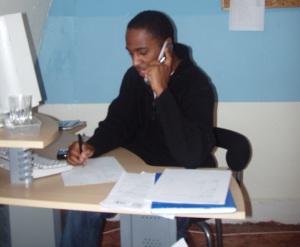
Adrian Jones (CEO and founder)
Our CEO hard at work in one of our previous offices.

Origins
The living room of our CEO, where YourStory was born. We started with just one person working with four boys from a single school in Brixton, and YourStory now has a number of dedicated mentors.

Mentoring through sport
YourStory originally used mentoring through sport in order to try to re-engage young people in education and keep them on the right track.
Our Objectives
listen and understand
YourStory is here to listen to and understand our young people without judgement.
support
We have mentors who have been in similar positions and situations to the young people we work with
offer opportunities
We offer opportunities to our young people which can help them to achieve their ambitions.
safe environment
We provide a safe and trustworthy environment where our young people feel comfortable and secure.
Relevance
How are we different to other charities:
We are doing work in a way that no one else can. Our unique combination of interacting with both the young person and their family alongside involving schools helps us to holistically improve the lives of young people in a way no other charity can.
We have a variety of mentors for the young person to be matched with, and family practitioners to work with both the family, parents / guardians and the young person together.
We listen to and understand our young people. We ensure that they do not feel rushed through the mentoring programmes, and know that they can have all the time they need.
Mentor support is offered for as long as the young person and their mentor feels that they would benefit from it. Therefore, there is no limited amount of time given to young people for them to grow and develop.

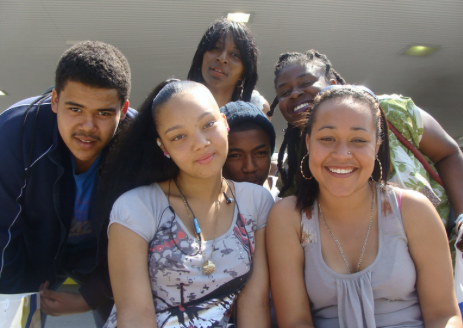
Areas We Help With
We help young people in many areas like confidence building, increasing motivation in school, and better decision making. We also support parents through the process of development and change. Continue reading for details of all the areas in which we help young people to develop skills and personal growth.


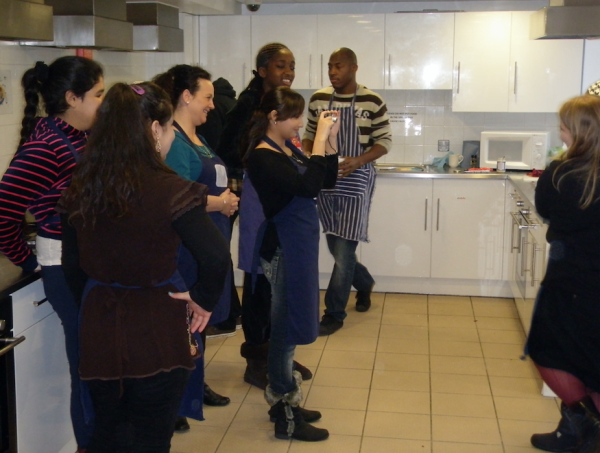
Main Areas
Confidence Building
One of our primary aims is to increase the level of confidence a young person has, particularly in their own skills and abilities. We do this by helping individuals recognise their strengths and believe in their potential to succeed.
Increasing Employability
We work on developing skills that employers value, such as punctuality, literacy, numeracy, leadership and teamwork. We also assist young people in securing work experience to help them take their first steps into the world of work.
Increasing Motivation
A key area we focus on is increasing a young person's motivation to work hard and secure a bright future. We support individuals in building the drive and determination to pursue a career in whatever industry they desire.
Prevent Reoffending
One of our central aims is to decrease the amount of offending and reoffending in the young people we work with. We do this by helping individuals to reassess the choices they are making and the impacts of their behaviour.
Secondary Aims
Communication
One of our secondary aims is to improve our young people's communication skills. We ensure our young people understand the importance of listening as a part of communicating clearly with others.
Making better choices & decisions
We encourage our young people to assess their current decision making strategies, and what could be wrong with them. This is in order to guide them towards selecting the more logical and desirable options out there.
Antisocial behaviour
Another key are we work on with our young people is decreasing antisocial behaviour. We do this by encouraging young people to explore other ways of expressing themselves and different behaviours that are more prosocial.
To respect others and themselves
We aim to teach young people to value and respect not only themselves but also others around them, in particular authority figures and the law. We help them to develop this skill through the workshops we run.
Further Aims
Better family relationships
Another one of our aims is to improve family relationships, particularly those between parents / guardians and the young person. We do this through a combination of family support practice and private mentoring for the young person.
Improve school grades
Although we view improvements in mental health as being more important than grade improvements, we recognise the significance of school grades in relation positive futures of our young people. We help support young people to commit more to school work and show them the importance of it.
Improved mental health
Improving mental health in our young people is extremely important to us. We encourage young people to talk about their mental health freely with us, and refer them to external mental health services when necessary.
Increased self efficacy
We aim to increase the self efficacy of each of our young people in order to develop their self belief and independence.
Mentoring
YourStory has a dedicated team of mentors and family practitioners. Our mentors go into local London schools regularly to help and support young people who may be vulnerable or disadvantaged.
Depending on the needs of the young person and the programme running, they are either mentored one to one or in groups. Our family practitioners help to improve communication and relationships between young people and their families.
Our young people are encourage to take responsibility for their own development, giving us feedback on what we’re doing so that we can adjust their programmes accordingly.
We set targets in all areas and continuously monitor and review progress in consultation with students so that their learning remains meaningful, targeted and achievable. We talk about career goals and ideas with our young people.
We also work with the parents/guardians of our young people too, to ensure holistic support of the young person. We help them to get involved with their children, we help them to be proud of their children’s achievements and we give them a chance to do things differently.
Impacts
YourStory works with vulnerable young people in a holistic way to address the different needs and pressures they experience on a daily basis. We help equip them with the skills and confidence needed to take control of their lives, to explore opportunities presented to them and to do their best in life to achieve their full potential.
We aim to challenge, inspire and support the young people that we work with. We work with our young people to increase their confidence in asking for help when they don’t understand school work, identity, purpose in life, goals, part time jobs, developing hobbies, working out frustrations, personality tests / analysis, helping to turnaround negative attitudes and moods, body image problems, self esteem, anxiety management techniques and how to make friends.
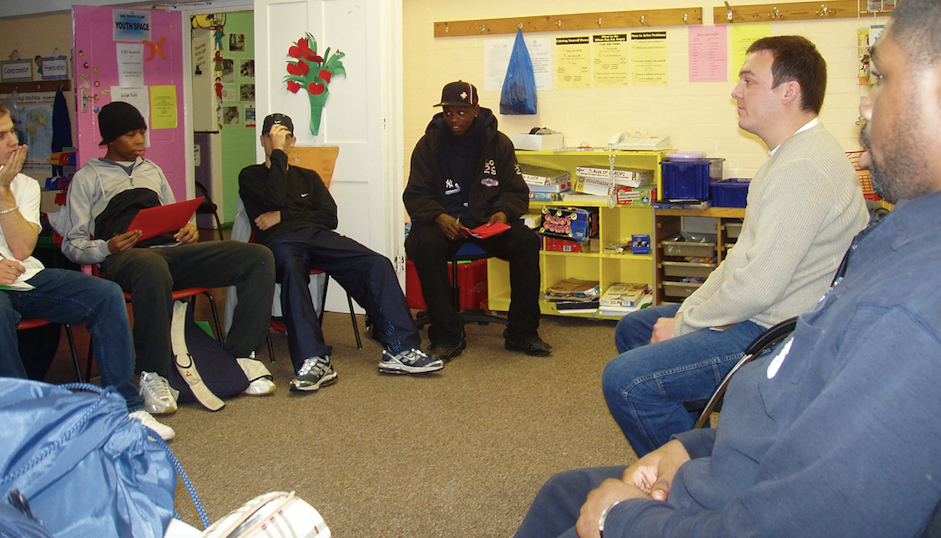

Our work develops
- Confidence and self-esteem
- Employment prospects
- Attitudes towards educations
- Family well-being
Through the use of
- One on one mentoring
- School workshops
- Dedicated family support
- Work with supporting agencies